Neural Speed, Myelin, and the Nutrients Behind Focus
Published research discusses roles for iodine, omega-3 DHA, and vitamin B12 in neural structure and metabolism. This guide summarises food sources and NHS-aligned portions for general education — it is not a cognitive performance programme and does not replace professional advice.
Explore brain nutrients
Iodine: Thyroid Hormones and Brain Metabolism
Iodine is incorporated into thyroid hormones triiodothyronine (T3) and thyroxine (T4), which regulate metabolic rate in body tissues including the brain. In pregnancy, adequate iodine is important for fetal development — a topic covered in NHS guidance. Adult intake recommendations are discussed in UK reference tables; this article does not interpret personal test results.
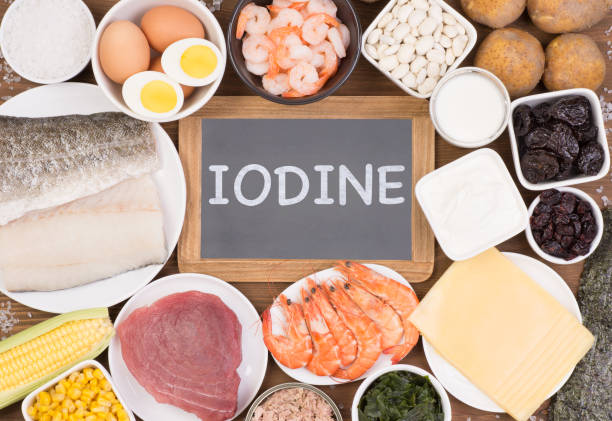
The UK adult reference nutrient intake is 140 mcg/day. Unlike many countries, UK table salt is not routinely iodised, so dairy products, white fish, and eggs historically supplied much of the intake. Reduced dairy consumption and fewer fish meals have raised concern among public health researchers about re-emerging gaps, particularly in pregnancy.
Seaweed is concentrated in iodine — varieties differ wildly, with kelp sometimes exceeding safe daily limits in a single serving. Occasional sushi nori or a small amount of dulse in soup is safer than daily kelp supplements. Cod and haddock provide moderate iodine with protein and selenium as co-benefits.
Omega-3 Fatty Acids: DHA and Synaptic Flexibility
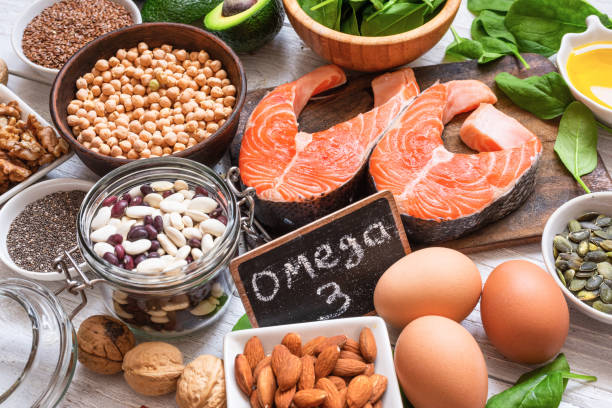
Docosahexaenoic acid (DHA) comprises a large fraction of structural lipids in the cerebral cortex and retina. Flexible membranes allow ion channels to open and close rapidly — the physical basis of nerve impulse propagation. Eicosapentaenoic acid (EPA) supports anti-inflammatory signalling that may indirectly protect neural tissue during chronic stress.
NHS guidance recommends at least two 140 g portions of oily fish per week. Salmon, mackerel, herring, and sardines are accessible at UK supermarkets fresh or tinned. A 100 g portion of mackerel delivers roughly 2–3 g combined EPA and DHA. Plant sources like flaxseed provide ALA, which converts to DHA inefficiently (often under 5%); algae oil supplements offer a direct vegan DHA source.
Balance matters: very high fish intake raises mercury exposure concerns; rotating species and including small oily fish lowers that risk while maintaining omega-3 intake.
Vitamin B12: Myelin, Methylation, and Signal Integrity
Vitamin B12 (cobalamin) is required for myelin synthesis and for converting homocysteine to methionine — a step in one-carbon metabolism that supplies methyl groups for neurotransmitter production. When B12 is low, nerve signals can slow because myelin thins or becomes damaged, even before blood counts change noticeably.
B12 absorption requires intrinsic factor from the stomach and adequate acidity. Older adults, people on long-term metformin or proton-pump inhibitors, and those who have had gastric surgery absorb less efficiently. The UK reference intake is 1.5 mcg/day, but absorption efficiency drops with age, so higher dietary intake or monitored supplementation may be discussed with a GP.
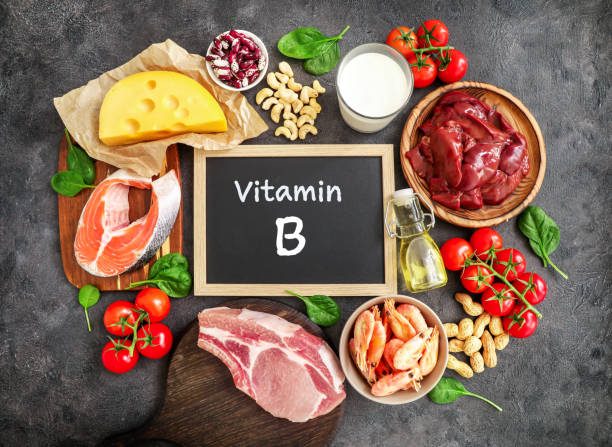
Animal products — meat, fish, eggs, dairy — are primary sources. Fortified nutritional yeast, plant milks, and breakfast cereals support vegans. High-dose B12 supplementation is a matter for qualified healthcare professionals when clinically indicated.
Building a Focus-Supportive Eating Pattern
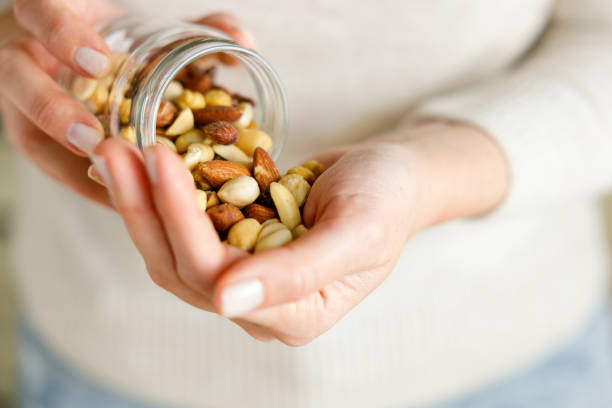
Cognitive performance fluctuates with blood glucose stability, hydration, and micronutrient availability. Skipping breakfast after a fasted night can leave brain tissue waiting for glucose and B vitamins that morning foods normally supply. A balanced first meal — eggs on wholegrain toast with spinach — covers B12, iodine (if using iodised salt occasionally), and slow-release carbohydrates.
- Mid-morning: Handful of walnuts (omega-3 ALA) plus a clementine (vitamin C for iron absorption if lunch is plant-based).
- Lunch: Tinned salmon salad — DHA, protein, and leafy greens in one bowl.
- Afternoon: Limit caffeine after 2 pm; dehydration mimics foggy thinking.
- Evening: Fish or eggs with root vegetables — supports overnight repair without heavy digestion.
Nutrition sets the stage; deliberate focus practice, movement breaks, and adequate sleep complete the picture. No single nutrient replaces those foundations.
Events Calendar
Our brain nutrition sessions cover iodine in UK diets, sustainable fish choices, and B12 on plant-based plates. All events are educational — register through the contact page.
| Date | Session | Location |
|---|---|---|
| 16 Jul 2026 | Brain Nutrition Q&A | Southampton, in person |
| 30 Jul 2026 | Omega-3 Without Overfishing | Online |
| 13 Aug 2026 | B12 on Plant-Based Plates | Southampton, in person |
| 27 Aug 2026 | Iodine in Modern UK Diets | Online |