Understanding Micronutrients in Everyday UK Diets
This independent educational website explains how vitamins and minerals feature in published nutrition science — from magnesium and iron to iodine and B vitamins. Content is free, written in plain English for UK readers, and describes general food-based information only. We do not sell products or offer personal medical or dietary advice.
About this website
Why Micronutrients Matter More Than Most People Assume
Micronutrients are required in milligram or microgram amounts, yet they sit at the centre of many metabolic pathways described in biochemistry textbooks. Magnesium stabilises ATP molecules. Iron carries oxygen via haemoglobin. B vitamins act as coenzymes in energy metabolism. When intake falls below recommended levels over time, the body adapts in various ways — though how someone feels day to day depends on many factors beyond diet alone.
Public nutrition surveys in the UK and EU report that some adults consume less magnesium, iron, iodine, or vitamin D than reference intakes suggest. These patterns are discussed in public-health literature; they are not something this website diagnoses or treats.
Understanding micronutrients is not about chasing perfection. It is about recognising which nutrients support the specific resources you burn fastest — mental focus during long work weeks, recovery after training, or steady afternoon energy — and where whole-food sources typically deliver them. Everything here is educational; individual needs vary widely.
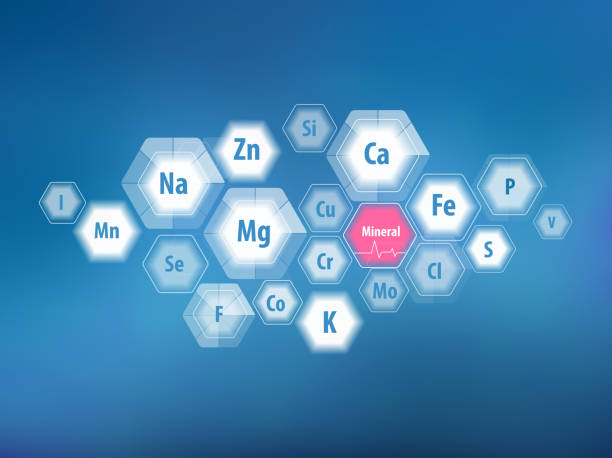
Whole foods remain the most reliable delivery system for trace minerals.
Magnesium, Iron, and B Vitamins in ATP Production
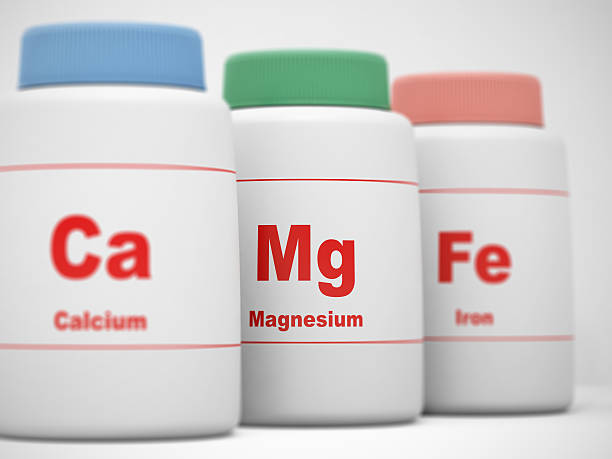
ATP — adenosine triphosphate — is the molecule your cells spend like currency. Every muscle contraction, thought, and repair job draws from ATP reserves. Magnesium ions bind to ATP, keeping it biochemically stable and usable. Without adequate magnesium, ATP breaks down faster and enzymes that depend on it work less efficiently. Dark chocolate, pumpkin seeds, and spinach are practical UK pantry sources.
Iron does not make ATP directly, but haemoglobin and myoglobin depend on it to deliver oxygen — the final electron acceptor in aerobic respiration. When iron stores dip, mitochondria produce less ATP per glucose molecule, which can translate into that heavy-legged feeling on stairs. Pairing plant iron from lentils or fortified cereals with vitamin C from peppers or citrus improves absorption.
B vitamins — especially B1 (thiamine), B2 (riboflavin), B3 (niacin), and B5 (pantothenic acid) — act as coenzymes in the electron transport chain. Riboflavin literally helps FAD carry electrons between complexes. A varied diet with eggs, whole grains, and dairy usually covers B vitamins, but stress and alcohol increase turnover. Read the full ATP guide for food lists and daily habits.
Zinc, Vitamin C, and Selenium Under Load
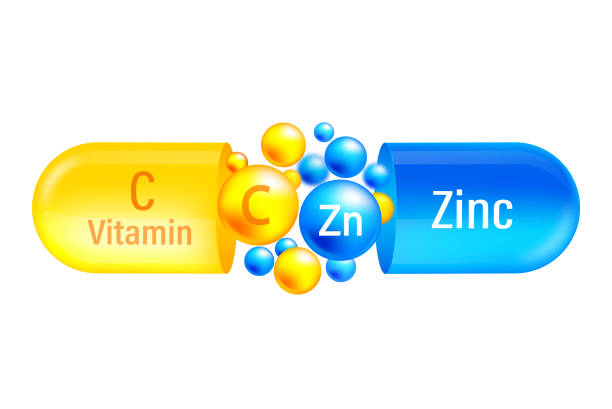
High mental workload, intense training, and poor sleep all increase oxidative stress — an imbalance between free radicals and the antioxidants that neutralise them. Zinc supports hundreds of enzymes, including those involved in antioxidant defence and hormone signalling. During busy periods, zinc turnover rises, and plant-based diets high in phytates can reduce absorption unless soaked or fermented.
Vitamin C regenerates oxidised vitamin E in cell membranes and supports collagen synthesis. It also helps recycle glutathione, your body’s master intracellular antioxidant. A single kiwi or a handful of frozen berries at breakfast contributes meaningfully. Selenium, found in Brazil nuts (one or two nuts can meet daily needs), forms part of glutathione peroxidase — an enzyme that directly clears hydrogen peroxide.
Together these nutrients are discussed in research on antioxidant pathways and hormone-related enzymes. Nutrition alone cannot remove life stress, but understanding food sources is a practical starting point for general education. See our oxidative balance page.
Iodine, Omega-3, and B12 for Neural Speed

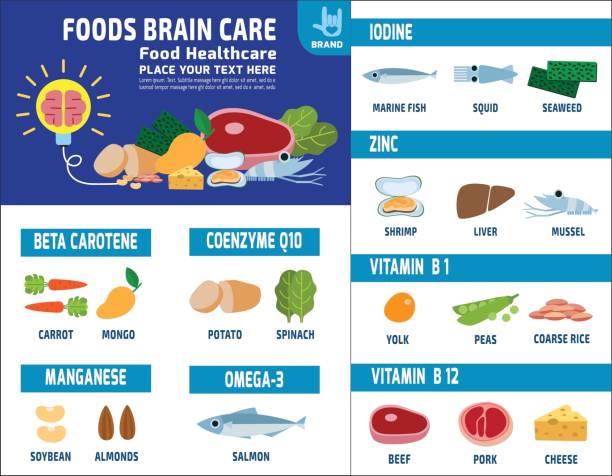
Neurons communicate through synapses that depend on fast membrane turnover and myelination. Iodine is essential for thyroid hormones T3 and T4, which regulate metabolic rate in every tissue including the brain. UK table salt is not universally iodised, and dairy intake has shifted — making seaweed, white fish, and eggs relevant sources to know about.
Omega-3 fatty acids — especially DHA — make up roughly 15% of brain cortex lipids. They keep cell membranes fluid so ion channels open and close quickly, which affects reaction time and sustained concentration. Two portions of oily fish weekly (salmon, mackerel, sardines) align with NHS guidance; algae oil offers a plant alternative.
Vitamin B12 supports myelin synthesis and homocysteine recycling. Low B12 status can slow neural signalling before any obvious signs appear. Fortified plant milks, nutritional yeast, and animal products supply B12; vegans should monitor intake deliberately. Our brain & focus guide breaks down portion sizes and study findings.
Why Today’s Foods Carry Fewer Micronutrients
Comparisons of USDA and UK composition tables across decades show declines in magnesium, iron, zinc, and copper in many vegetables and grains. Intensive farming, shorter crop rotations, and varieties bred for yield over mineral density all play a role. A 2004 Journal of the American College of Nutrition review noted measurable drops in protein, calcium, and iron across 43 garden crops between 1950 and 1999.
Meanwhile, calorie availability has risen. You can easily exceed daily energy needs while still under-consuming trace minerals — a pattern nutritionists call “hidden hunger.” Ultra-processed foods often replace whole ingredients with refined starch and added fat, diluting micronutrient density per bite. Fortification helps for some nutrients (folic acid in flour, B12 in cereals) but does not cover the full spectrum.
Building a plate with diverse colours, rotating protein sources, and choosing minimally processed staples is a practical response — not a rigid rule. See our modern nutrition analysis for shopping lists and seasonal UK produce tips.
Before You Change Your Diet
Content on this website is general lifestyle information for adults in the United Kingdom. It is not personalised nutrition advice, diagnosis, or treatment. Nutrient needs differ by age, sex, activity level, and health status — only a registered professional can assess your individual requirements.
- Do not exceed tolerable upper intake levels for supplements, especially iron, selenium, and vitamin A, without professional guidance.
- Pregnant or breastfeeding individuals, people on medication, and those with chronic conditions should consult a GP or registered dietitian before changing diet or supplements.
- Food allergies and intolerances may rule out otherwise nutrient-dense foods — always substitute safely.
- For urgent health concerns in the UK, call NHS 111 or 999 in an emergency — not our contact form.

Events Calendar
We host free educational sessions on micronutrient literacy — reading labels, building balanced plates, and understanding UK reference intakes. Sessions are informational only; no products are sold. Register via our contact form with the event name in your message.
| Date | Event | Format |
|---|---|---|
| 18 Jun 2026 | ATP & Afternoon Energy | In person, Southampton |
| 2 Jul 2026 | Antioxidant Foods Workshop | Online webinar |
| 16 Jul 2026 | Brain Nutrition Q&A | In person, Southampton |
| 6 Aug 2026 | Modern Soil & Food Quality Talk | Online webinar |
| 20 Aug 2026 | Seasonal UK Produce Guide | In person, Southampton |

Frequently Asked Questions
Many people can meet most needs through a varied whole-food diet. Gaps may appear with restrictive eating patterns or very low calorie intake. A GP can arrange blood tests for iron, B12, or vitamin D if you have concerns you wish to discuss professionally.
Energy levels are influenced by sleep, stress, hydration, activity, and overall diet among other factors. Published research discusses roles for iron, magnesium, and B vitamins in metabolism, but tiredness always warrants professional assessment if it persists. This website does not assess individual cases.
Not always. UK public health advice recommends vitamin D supplementation for most adults in autumn and winter. Other supplements depend on diet, sun exposure, and individual factors. We discuss food sources first; any supplement decision belongs in conversation with a GP or dietitian.
Absorption and storage timelines vary by nutrient and individual. Water-soluble vitamins may be replenished over days to weeks when intake increases; iron stores change more slowly. We describe general patterns from nutrition literature — not personal timelines or outcomes.